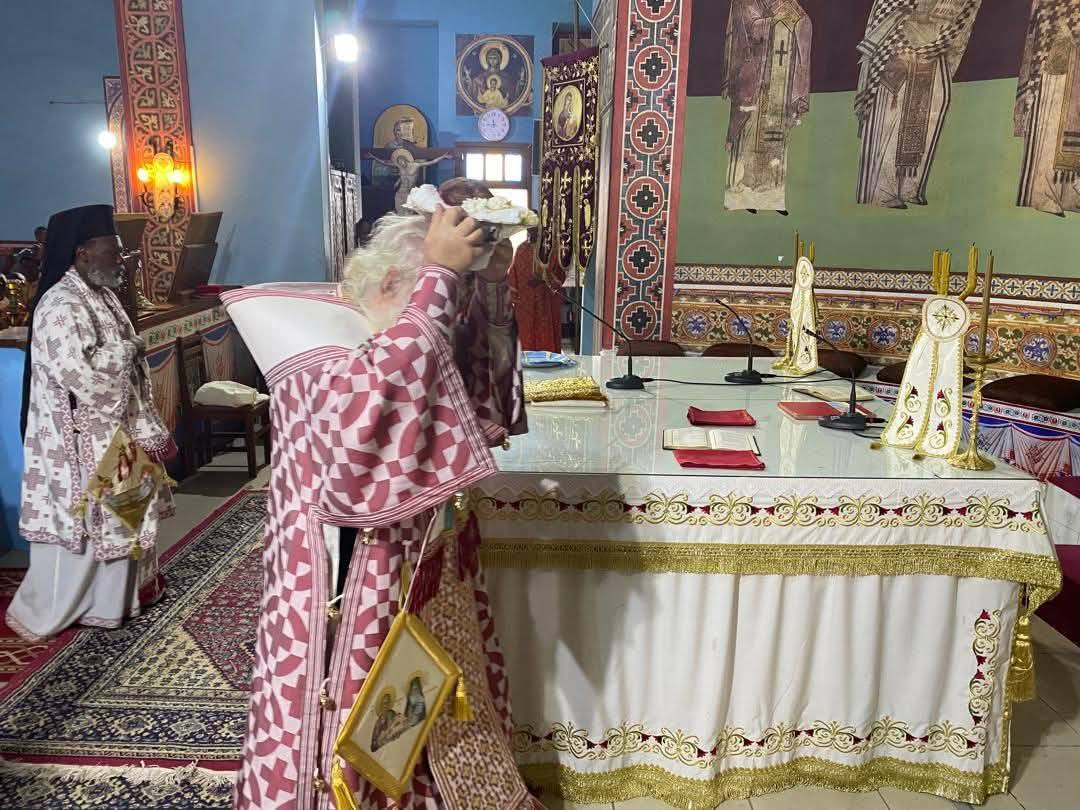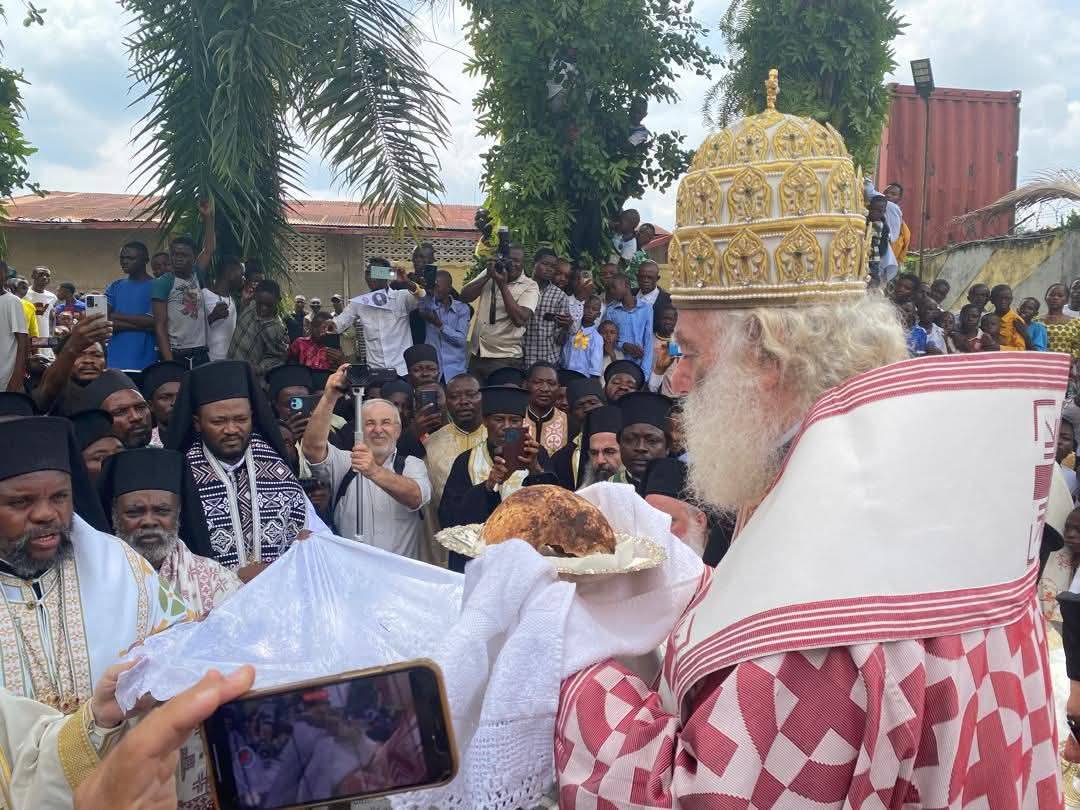
The Orthodox Church in Africa witnessed a moment of profound spiritual significance and historic importance as His Beatitude, Pope and Patriarch of Alexandria and All Africa Theodore II, solemnly performed the sacred translation of the holy relics of the newly canonized missionary saint, Saint Chrysostomos the Missionary, in the city of Kananga in the Democratic Republic of the Congo.
The historic event marked a milestone not only for the Orthodox faithful in East and Central Africa but also for the entire Orthodox world.
This sacred occasion gathered clergy, monastics, and faithful from across the region, united in prayer and thanksgiving for the life and witness of a missionary whose dedication and sacrifice significantly strengthened the Orthodox presence on the African continent.
The Sacred Tradition of the Translation of Relics
In the Orthodox Christian tradition, the translation of holy relics is a deeply meaningful and solemn act. It refers to the ceremonial transfer of the sacred remains of a saint to a place of honor, often within a church or holy shrine where the faithful can come to venerate them.
Such occasions are marked by special liturgical services, hymns, and prayers, affirming the Orthodox belief that the saints remain spiritually alive in Christ and continue to intercede before God on behalf of the faithful. The translation of the relics of Saint Chrysostomos, therefore, represents not only an expression of reverence but also a celebration of a life lived in holiness and service to the Gospel.
The Missionary Legacy of Saint Chrysostomos
Saint Chrysostomos is remembered as one of the remarkable missionary figures who devoted his life entirely to spreading the Orthodox Christian faith in Africa. With deep humility, perseverance, and pastoral love, he served tirelessly among the people, bringing the message of Christ to communities that were encountering Orthodoxy for the first time.
His missionary journey was marked by sacrifice and dedication. Living among the people he served, he shared in their daily struggles, learned their cultures, and worked patiently to nurture the seeds of faith. Through preaching, pastoral care, and the establishment of Christian communities, he helped lay important foundations for the growth of Orthodoxy in Central Africa.
Today, many Orthodox communities in the region continue to draw inspiration from his work and spiritual example. His life stands as a testimony to the power of faith expressed through service and love for humanity.
A Historic Moment for the Faithful in Kananga
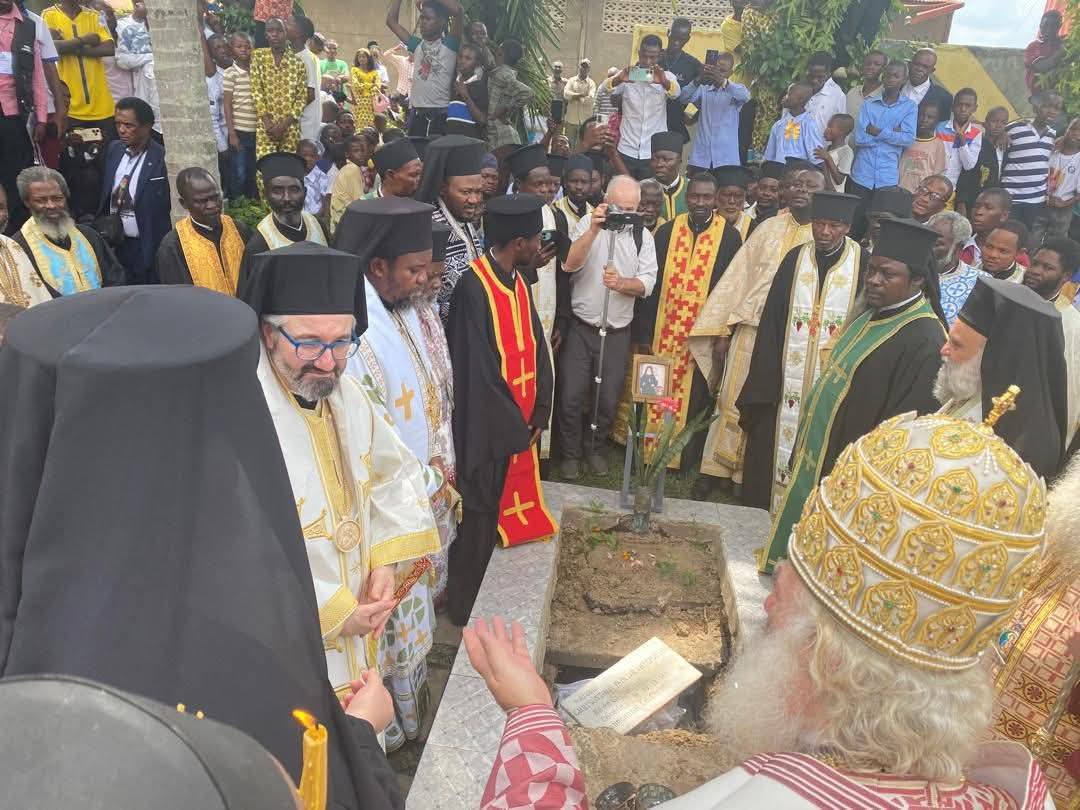
The city of Kananga became the center of spiritual celebration as the Patriarch presided over the sacred ceremony. The presence of the Pope and Patriarch of Alexandria highlighted the importance of this historic moment for the Orthodox Church in Africa.
Clergy from different dioceses concelebrated with the Patriarch, while large numbers of faithful gathered with joy and reverence to witness the solemn occasion. The prayers, hymns, and sacred rites filled the atmosphere with deep spiritual devotion.
For the Orthodox faithful in the Democratic Republic of the Congo, the event carries special meaning. The presence of the relics of Saint Chrysostomos among them serves as a reminder that their land has been blessed by the life and ministry of a holy missionary who labored for the salvation of souls.
The translation of the relics also reflects the continued commitment of the Orthodox Church to missionary work across Africa. The Patriarchate of Alexandria, which shepherds Orthodox Christians throughout the continent, remains dedicated to spreading the Gospel, establishing churches, educating clergy, and supporting communities in both spiritual and humanitarian ways.
Under the leadership of Patriarch Theodore II, missionary initiatives have continued to grow, strengthening the Church’s presence in many African countries. The life of Saint Chrysostomos stands as a powerful inspiration for priests, catechists, and missionaries who continue this sacred mission today.
His example reminds the faithful that missionary service is not merely a historical memory but a living calling that continues to shape the life of the Church.
Significance of canonization of Saint Chrysostomos
The canonization of Saint Chrysostomos on October 8, 2025, by the Holy and Sacred Synod of the Patriarchate of Alexandria and veneration highlight the growing recognition of the spiritual fruits of Orthodox missionary work in Africa. Saints are witnesses to the transformative power of the Gospel, and their lives illuminate the path toward holiness for believers everywhere.
For many Orthodox Christians in Africa, Saint Chrysostomos is remembered not as a distant figure but as a spiritual father who lived among the people, cared for them, and proclaimed Christ with humility and love.
The presence of his holy relics in Kananga will now serve as a place of prayer, blessing, and pilgrimage for generations of faithful seeking spiritual strength and inspiration.
As the sacred ceremony concluded, the faithful raised their prayers asking for the intercession of Saint Chrysostomos for the continent of Africa and for the entire Orthodox Church.
May the holy missionary saint continue to intercede before God for the people of Africa, for his spiritual children, and for all who seek the light of Christ.
This historic day stands as a powerful testimony to the living and growing Orthodox faith in Africa, a faith nurtured by missionary dedication, strengthened by sacrifice, and sustained through the prayers of the saints.